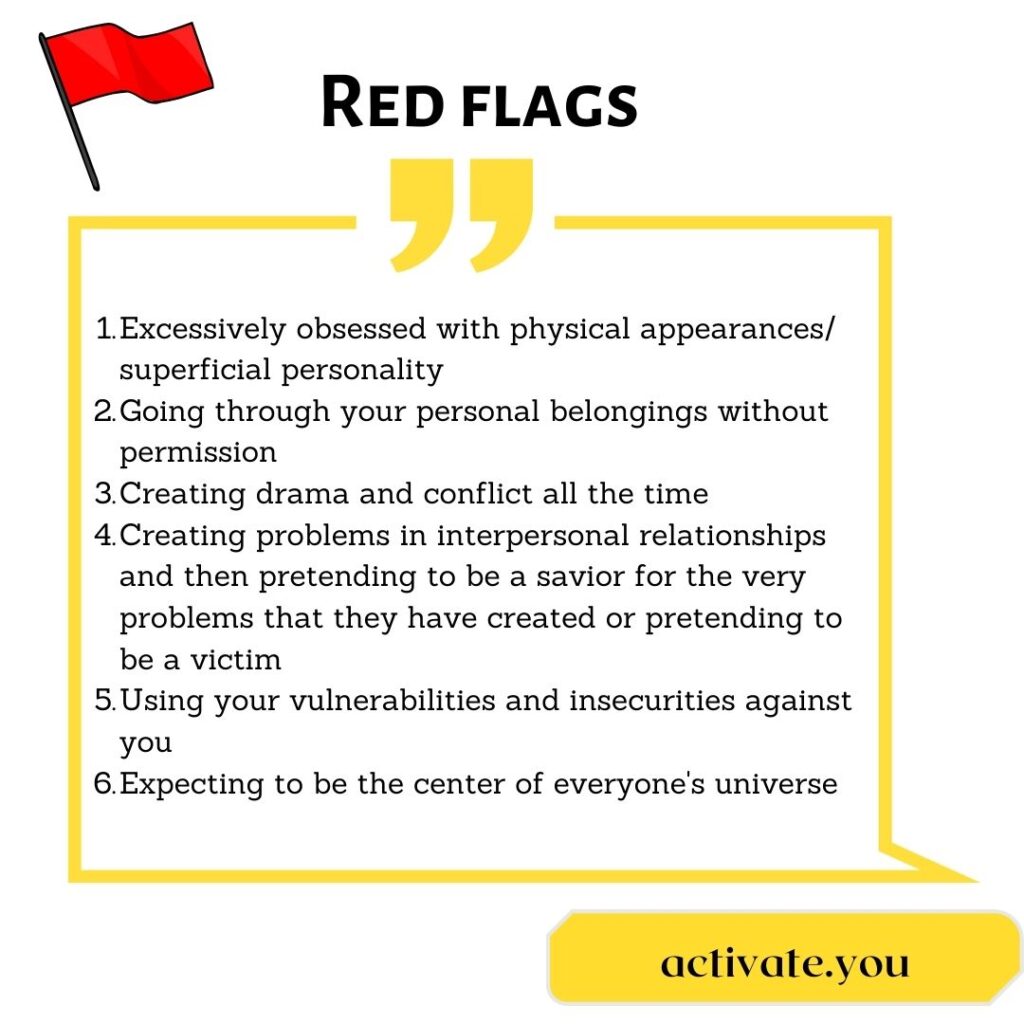
Are you aware of what is reactive abuse and how to deal with it?
Reactive abuse is a pattern of behavior that can occur in certain types of abusive relationships. It refers to a situation where the victim of abuse responds to the abuser’s provocation with aggressive or violent behavior. The abuser may then use this reaction as further evidence of the victim’s “craziness” or “instability”, which reinforces the cycle of abuse and allows the abuser to maintain control.
For example, imagine a situation where an abuser is yelling at their partner and threatening them. The partner, feeling scared and overwhelmed, begins to yell back and even throws a nearby object. The abuser then uses this outburst as proof that the partner is unstable and needs to be controlled or punished.
It’s important to note that while reactive abuse can occur in abusive relationships, it does not excuse or justify the abuser’s behavior. Everyone has the right to feel safe and respected in their relationships, and no one deserves to be subjected to abuse or violence.
Dealing with reactive abuse in narcissistic abuse can be challenging, but there are some steps you can take to protect yourself and regain a sense of control over the situation. Some strategies include:
- Setting boundaries: Clearly communicate to the abuser what behavior is unacceptable and what the consequences will be if they continue to behave in that way.
- Being assertive: Stand up for yourself and don’t back down when the abuser challenges you.
- Keeping a record: Document instances of abuse, including dates, times, and details of what occurred. This can be helpful if you choose to seek therapy or legal action.
- Seeking support: Surround yourself with people who will support and believe you, such as friends, family, or a therapist.
- Building a safety plan: Identify triggers that set off the abuse and have a plan in place to remove yourself from the situation.
- Seeking professional help: Consider seeking therapy or coaching to help you cope with the abuse and recover from its effects
Here are a few role play scenarios that demonstrate how to deal with reactive abuse from toxic people:
- Setting boundaries: Person 1: “I can’t believe you didn’t invite me to your party. You must hate me.” Person 2: “I understand that you feel hurt, but it’s not okay for you to speak to me in that manner. I made the decision not to invite you to my party for my own reasons, and I expect you to respect that. If you continue to speak to me in a disrespectful way, I will have to end this conversation.”
- Being assertive: Person 1: “You always forget to do the dishes. You’re so lazy.” Person 2: “I understand that you’re frustrated with me, but I will not tolerate being spoken to in that manner. I expect you to speak to me with respect. If you continue to speak to me in this way, I will have to remove myself from this conversation.”
- Building a safety plan: Person 1: “You’re always so negative. I can’t stand being around you.” Person 2: “I understand that you’re feeling upset, but I will not tolerate being spoken to in that manner. I have a safety plan in place and if you continue to speak to me in this way, I will have to remove myself from this situation.”
It’s important to note that in real-life situations, it’s important to be prepared and know what you’re going to say, and practice it with a therapist /coach beforehand. Also, it’s important to remember to be kind to yourself and don’t blame yourself for toxic people’s behavior.
Reach out to me on +91-9916106962 to book a coaching session in case you need my support to get you through abusive situations.
Ramya